
Lesson · 6 min Gentle
Lessons That Change Something
In one line A lessons-learned review is worth holding only if a named change reaches the next plan and is checked.
Most organizations hold lessons-learned reviews, and many find the same lessons written down project after project. The meeting is held, the notes are filed, and nothing in the next plan is different. A lesson has been learned only when something changes because of it: a step in a checklist, a line in a budget, a rule about who does what.
The United States Army's after-action review gives the review a simple shape. Soon after an exercise or an operation, the people who took part ask four questions: what was meant to happen, what actually happened, why the two differed, and what to do next time. Everyone who was there speaks, including the most junior, because they saw things the leaders did not. As What a Failed Project Teaches described, the review looks for causes in conditions and decisions, not for someone to blame.
The fourth question is where most reviews stop too soon. 'Communicate better' is a wish, not a change. A useful finding says what to keep and what to change, who will carry it into the next piece of work, and by when. Write it as advice for the next team, then put it where that team will meet it: in the template for the next plan, the agenda of the kick-off meeting, the checklist. A lessons-learned register helps only if someone reads it when the next project starts.
The last step is to check. The next review opens by asking whether last time's changes were made and whether they helped. When the same lesson turns up a third time, the cause probably lies beyond any one team, and the finding needs to go to whoever can change it.
Go deeper
The Colombian sociologist Orlando Fals Borda went further: the people who did the work should study it themselves. In participatory action research, which he helped found in the 1970s, peasant communities on Colombia's Caribbean coast examined their own history and problems with researchers, and the findings were given back to them in forms they could use and act on.
The first item on the agenda
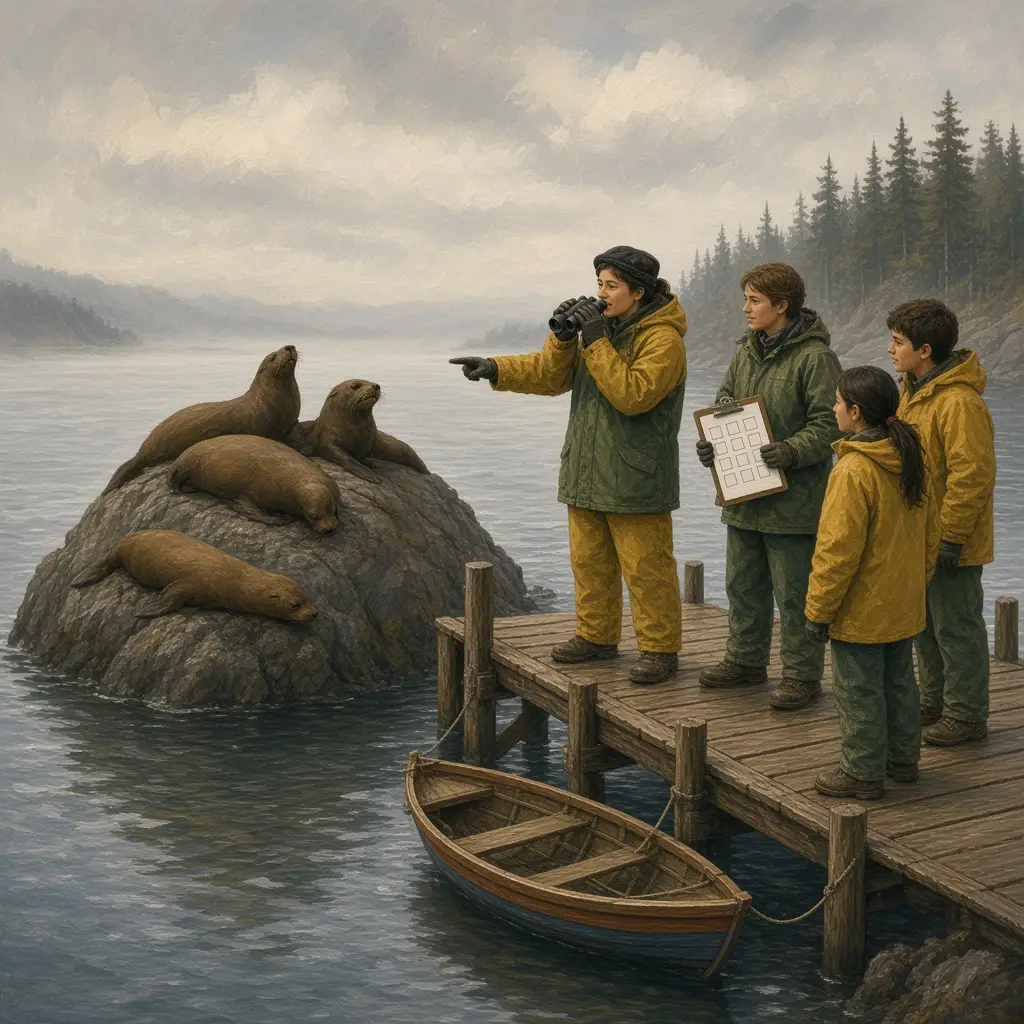
Valentina's marine biology group in Valdivia, in Chile, had just finished a season counting sea lions along the coast, three weeks late. At the review the group set the plan beside what happened. Two findings stood out: boat days had been lost because the forecast was checked only on the morning of each trip, and the new students had not been trained in the counting method until they reached the field.
Valentina had seen a review like this before end in a page of notes no one opened again. This time each finding became a change with a name and a date. Reading the forecast three days ahead, with a spare day built into each week, went into the template for next season's plan. A training day before departure went into the budget, and a doctoral student agreed to run it. When the group met to plan the next season, the first item on the agenda was the list of those changes.
Try this today Recall a lesson your team has learned twice. Write one change that would carry it, who would own it and where the next team will see it.
In the Toolkit, step by step: After-action review →
A real project where it mattered: The eradication of smallpox →
Cite or share this lesson
A plain reference you can paste into notes or an essay:
Quest2Plan. “Lessons That Change Something.” https://quest2plan.com/learn/lesson/lessons-that-change-something. Accessed 29 November 2026.
Sources
- Lessons learned — How organizations, including armies and aid agencies, gather and use lessons from past projects.
- After-action review — The review developed by the US Army and now used in business and health care.
- Orlando Fals Borda — The Colombian sociologist and participatory action research.