
Lesson · 6 min Stretch
What Leaders Pay Attention To
In one line People learn what really matters from what leaders notice, measure, reward and do in a crisis, not from what they say.
Leaders often try to shape a culture by speaking: a launch, a card of values, a speech at the annual meeting. Edgar Schein argued that people learn far more by watching. In Organizational Culture and Leadership he set out the ways leaders embed what they believe, and first among them was what leaders regularly pay attention to, measure and control. If the director asks about cost every week and about safety once a year, staff draw their own conclusion about which one matters.
His other main mechanisms follow the same logic: how leaders react to a crisis, how they spend money and time, how they behave themselves, what they reward and with what status, and whom they hire, promote and let go. A crisis teaches especially fast, because feelings run high and everyone watches what the boss does when something goes wrong. Formal statements, structures and procedures count too, but Schein treated them as secondary: they reinforce a message that the primary mechanisms have already sent, and cannot replace it.
This explains a common gap. When a leader's words and attention point different ways, people follow the attention, and they are being sensible, since attention shows what will actually be checked and rewarded. Earlier in the course, When a Measure Becomes a Target showed how a number that is watched starts to steer the work; the same force works on belief.
The idea gives leaders a plain test: what did I ask about this week, and what did I react to most strongly? It also has limits. Leaders are not the only source of culture; professions, history and the wider society shape it too. Some scholars, such as Linda Smircich in 1983, questioned whether culture is a part of an organization that managers can adjust at all, or rather what the organization is. Attention is a strong lever, but it is not a remote control.
Safety first, output every morning
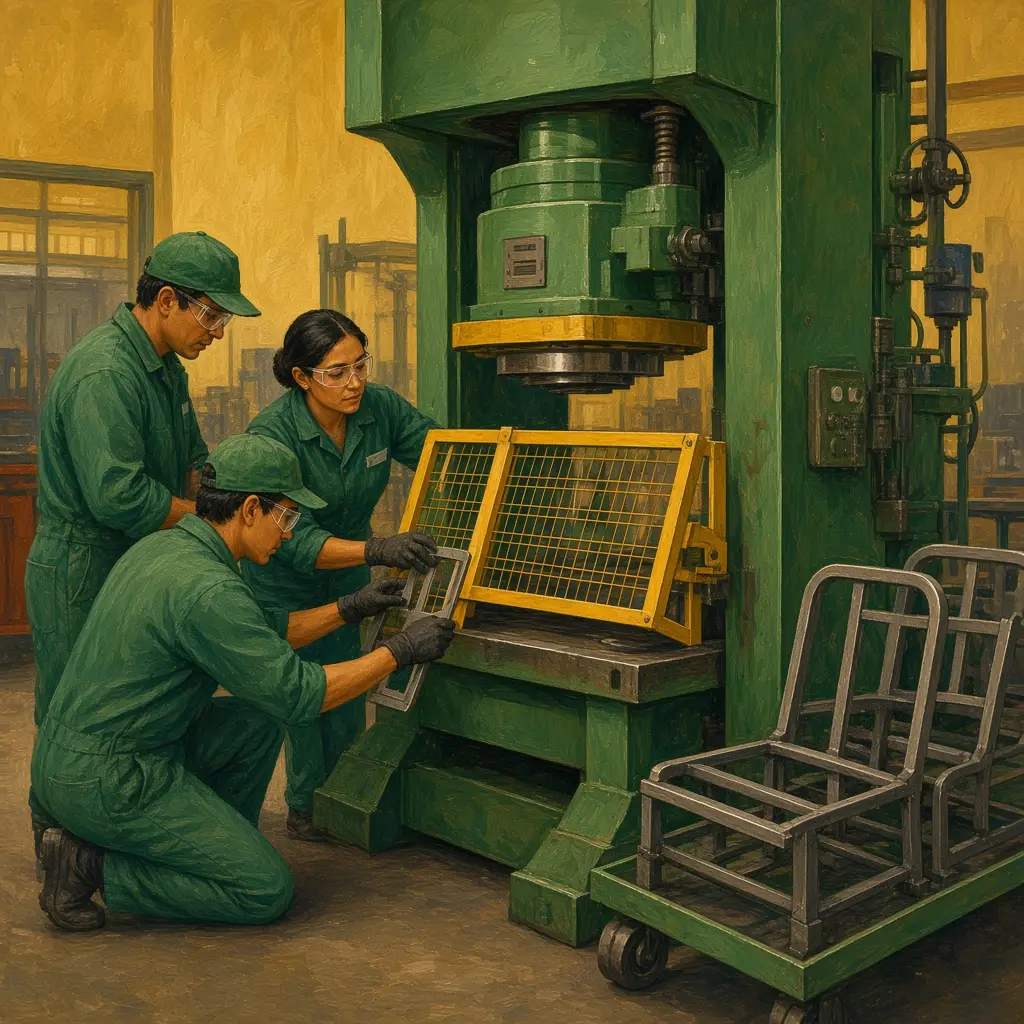
Matilde runs a plant in Monterrey, Mexico, that makes frames for car seats. At her first meeting as plant manager she says that safety comes before everything, and the banner over the gate says the same. But each morning her first question on the floor is about the previous day's output, and the only figures on the board by her office are units made and scrap.
Three months later a supervisor is found to have switched off a guard on a press to keep the line moving. He is puzzled to be in trouble, since every signal he had received said output mattered most. Matilde changes what she does rather than what she says. She starts each walk by asking about the latest near miss, puts near misses at the top of the board, and, when a team stops a press for an hour to fix a guard, thanks it at the next meeting even though that day's target was missed.
Try this today List the three things you asked about most this week, and compare them with the three things you say matter most.
Cite or share this lesson
A plain reference you can paste into notes or an essay:
Quest2Plan. “What Leaders Pay Attention To.” https://quest2plan.com/learn/lesson/what-leaders-pay-attention-to. Accessed 29 November 2026.
Sources
- Edgar Schein — Schein's career at MIT Sloan and his books on organizational culture and leadership.
- Schein's culture-changing mechanisms (Changing Minds) — A short summary of the primary and secondary ways leaders embed culture, starting with attention.