
Lesson · 6 min Steady
The Village Nobody Wanted
In one line A project can meet every technical goal and still fail if the people it serves never chose it.
Gourna was a village on the west bank of the Nile at Luxor, and its houses stood among, and sometimes on top of, ancient tombs. Some families made a living from what the tombs held. In 1946 Egypt's Department of Antiquities took the land and asked the architect Hassan Fathy to build a new village for them on flat farmland near the Colossi of Memnon.
Fathy believed the poor could be housed well and cheaply in mud brick, the material of the fields themselves. Steel, cement and timber cost money the villagers did not have. He brought in masons from Aswan who still knew the Nubian way of raising vaults and domes without wooden supports, and had them teach local builders. The houses had thick walls, courtyards and domed roofs that kept rooms cool without machines, and the village was given a mosque and a market.
The families did not want to go. The move cut them off from the tombs, from their old homes and from the life they knew, and the decision to move had been made for them, not with them. They resisted, the work slowed and stopped, and New Gourna was never finished. Much of it has since been altered or pulled down. Fathy himself counted the experiment a failure, even as his book Architecture for the Poor (1973) made his methods known around the world.
The houses worked; the project did not. Cheap, cool and handsome buildings could not answer a question no one had put to the people who were meant to live in them. Whether Fathy could have done more, when the government had already decided the move, is still argued.
The market by the bus stage
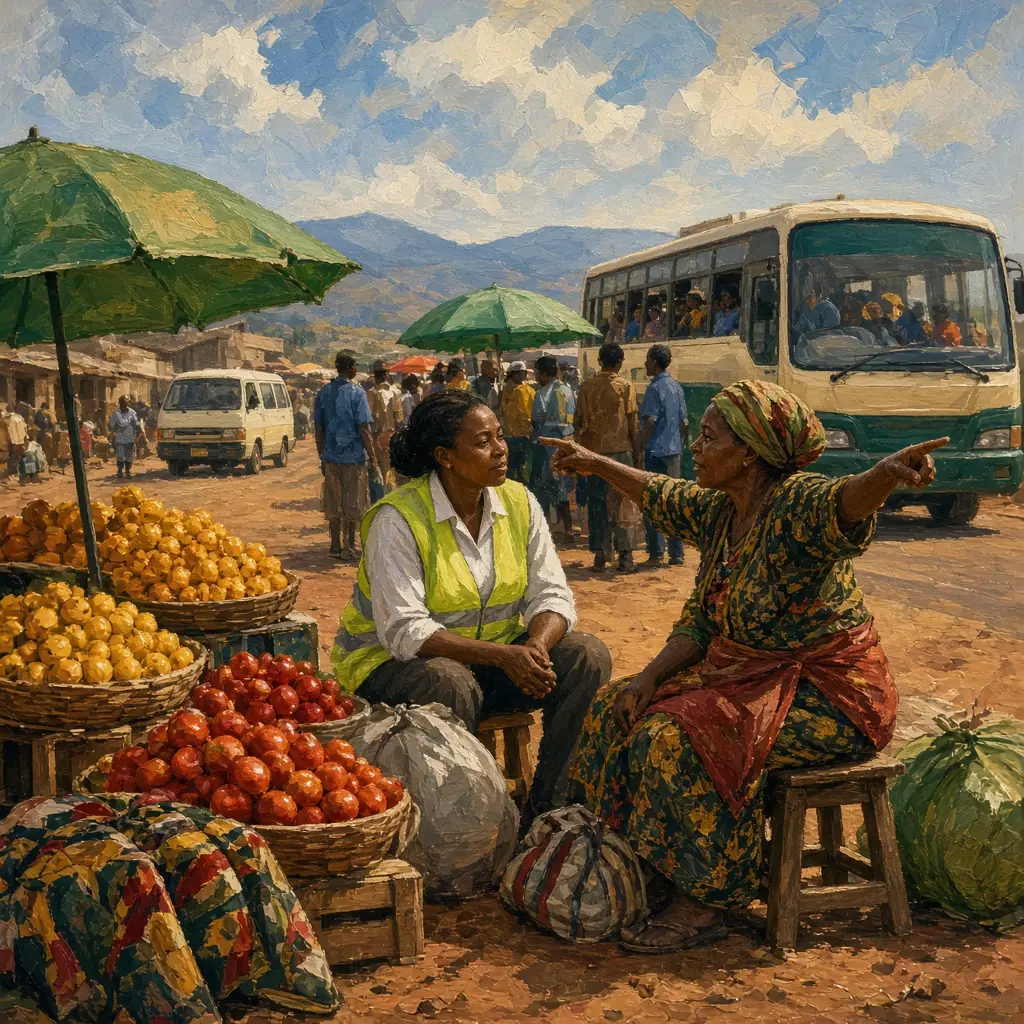
Nekesa, an engineer with the county government in Nakuru, Kenya, was asked to move the street traders on a busy road into a new covered market. The county had already chosen a site and drawn up stalls with good drainage, shade and lockable storage. She could have started building the next week.
Instead she spent a month at the roadside with the traders' association. The traders liked the stalls but said the site was a long walk from the bus stage, where their customers got off, and that they would lose half their trade there. Nekesa took this back to the county and argued for a smaller plot beside the stage. It cost more and delayed the work by four months. When the market opened, nearly every trader moved in, and the road was clear.
Try this today Pick one change you are planning for other people. Before you go further, ask two of them whether they want it at all.
Cite or share this lesson
A plain reference you can paste into notes or an essay:
Quest2Plan. “The Village Nobody Wanted.” https://quest2plan.com/learn/lesson/the-village-nobody-wanted. Accessed 29 November 2026.
Sources
- Hassan Fathy — The architect's life, his use of mud brick and the Nubian vault, and his own judgement of the Gourna experiment.
- New Gourna — The village built from 1946 for families moved from the tombs near Luxor, their resistance, and what remains.
- Hassan Fathy, Right Livelihood Award 1980 — The award for developing an architecture for the poor, and his work with residents in mud brick.