Lesson · 6 min Gentle
The Map and the Territory
In one line A plan is a map and the work is the territory; compare them often and calmly, and act when they part.
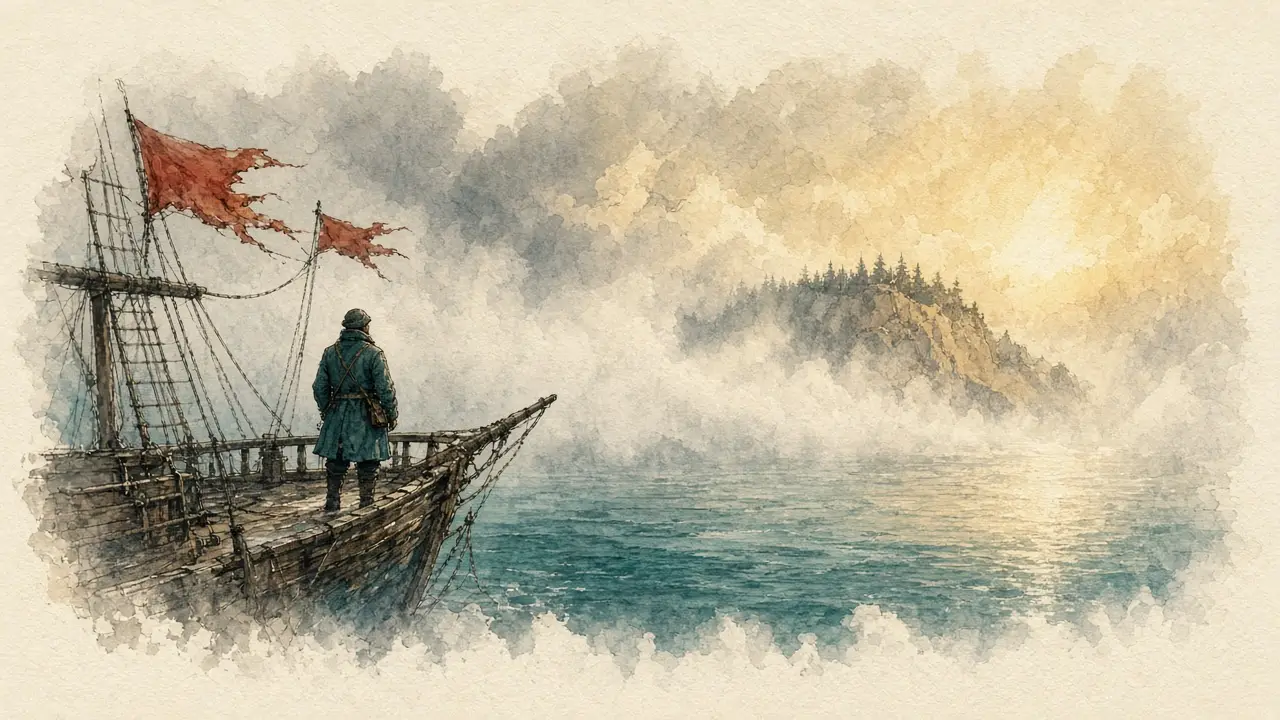
'The map is not the territory.' The phrase comes from Alfred Korzybski, a Polish-American scholar who first used it in a paper in 1931. A map leaves things out, and the land changes after it is drawn. A plan is a map of this kind. It shows the route the team expects to take; the work itself is the ground underfoot.
The skill is comparing the two often and calmly. Once a week, set the plan beside what has actually happened: which tasks are done, which have slipped, what has been spent, what turned up that nobody expected. The question is not who is to blame but where the map and the ground disagree, and by how much. A small gap caught in week three is a nudge; the same gap found in month nine is a crisis.
When they part, there are three honest choices. Act to bring the work back towards the plan, for example by adding a crew. Change the plan to fit what the ground has shown, and tell people, as Changing the Plan Without Shame described. Or, if the gap is small and its cause has passed, note it and watch. The assumptions written down earlier, as in Writing Down Your Assumptions, often show why the two have parted.
A map nobody checks is worse than none, because it gives false confidence: people keep making decisions on the plan's dates long after they stopped being true. The habit of looking is the one at the heart of the plan, do, check, act cycle linked with W. Edwards Deming. The plan is only the first quarter of that cycle.
Friday afternoons in the site office

Amaru supervises a road repair in the hills near Cusco, Peru: twelve kilometres of resurfacing, to be finished before the rainy season. Every Friday afternoon he sits in the site office with the plan on one side and the week's records on the other: kilometres finished, asphalt delivered, hours worked, days lost.
In the fifth week the two disagreed. The plan expected six kilometres done; the records showed four and a half. Amaru did not shout, and he did not quietly redraw the chart either. He walked the stretch and found the cause: the old road base was far softer than the survey had shown, so every section needed extra digging. He chose to change the plan, adding a second digging crew and telling the regional office the new finish date, still two weeks before the rains. A month later he would have had no such margin.
Try this today This week, set your plan beside what actually happened. Mark one place where they differ and write down why.
Cite or share this lesson
A plain reference you can paste into notes or an essay:
Quest2Plan. “The Map and the Territory.” https://quest2plan.com/learn/lesson/the-map-and-the-territory. Accessed 29 November 2026.
Sources
- Map–territory relation — Korzybski's phrase 'the map is not the territory' and what it means.
- PDCA — The plan, do, check, act cycle for learning from the gap between plan and result.