
Lesson · 6 min Steady
Preparation Is Most of It
In one line The riskiest parts of a project are won in preparation: learn, test and rehearse them until the day itself is dull.
Roald Amundsen's party reached the South Pole on 14 December 1911, and the most striking thing about the journey is how little went wrong on it. Five men, four sledges and 52 dogs left their base on the Ross Ice Shelf on 19 October and were back on 25 January 1912, 99 days later. The hard work had been done long before, in preparation.
Much of that preparation was learning from people who already lived with the cold. On his voyage through the Northwest Passage in the Gjøa, between 1903 and 1906, Amundsen learned from Netsilik Inuit how to use sled dogs to haul loads and how to dress in animal skins instead of heavy woollen parkas. He took both lessons south. His men were expert skiers who could keep pace with their dogs, and one of them, Olav Bjaaland, a champion skier and carpenter, planed down the sledges until they weighed almost a third less.
The rest was testing and laying out the route in advance. Before the polar journey the team set out depots of food and fuel at 80, 81 and 82 degrees south, about 3,400 kilograms of supplies in all, and marked the way with flags and snow cairns. Fuel cans were soldered shut so they could not leak. Amundsen later told the whole story in his book The South Pole.
The lesson for any project is not to prepare everything equally. Amundsen's effort went into the things that could kill his men: cold, crevasses, hunger and getting lost. Ask which part of your own work is most likely to fail, and most costly if it does, and make that part dull before the day comes: learn from people who have done it, test the kit, rehearse, and put supplies where they will be needed. Preparation cannot remove bad luck, but it leaves less for luck to decide.
Go deeper
Preparation did not remove the need for judgement. Eager to start, Amundsen set out on 8 September 1911, before the polar spring had properly arrived. Within days the temperature fell to about minus 56 degrees Celsius, and the party turned back. The return to base was disorderly, and Hjalmar Johansen, a veteran polar traveller, complained that men had been left behind; Amundsen left him out of the polar party. The second start, in October, went smoothly. Even a well-prepared leader can be pulled by a rival's deadline into starting before conditions allow.
The river crossed in the morning
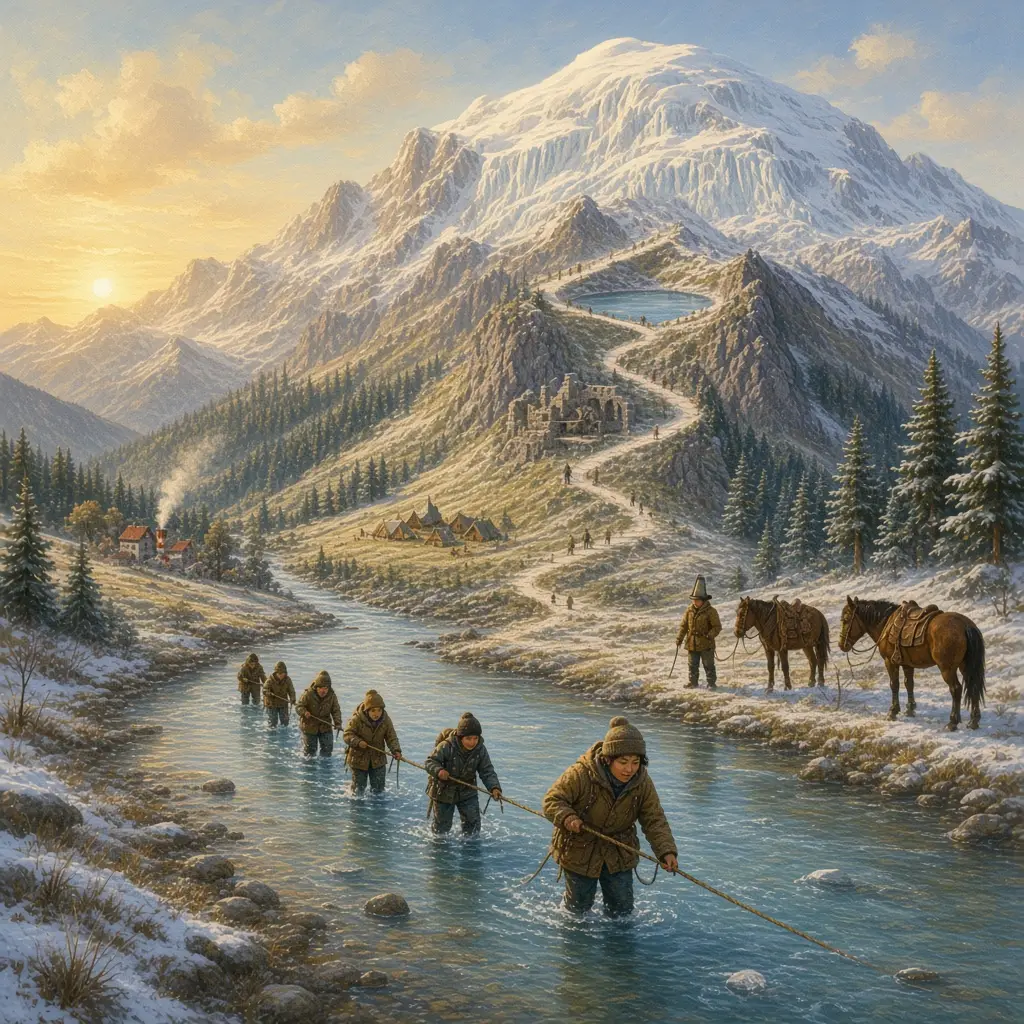
Elnura, a hydrologist from Bishkek, leads a five-day field trip each August to measure a glacier in the Tian Shan mountains of Kyrgyzstan. The year before, the trip had nearly failed: a river below the glacier rose with afternoon meltwater and cut the team off from its camp, and two of the instruments froze and stopped recording.
This year she spent the spring on those two dangers rather than on the timetable. She asked the herders who graze the valley where and when they cross, and moved every river crossing to the early morning, when the water is low. She left the instruments in a university cold store for a week to see which failed, and replaced their batteries with ones that did not. She sent food and fuel up with a herder's horses a week early, to a cache near the camp. The trip itself was so quiet that one student complained there was nothing to write about.
Try this today Name the one step in your current work most likely to go wrong. Write down one way to test or rehearse it this week.
Cite or share this lesson
A plain reference you can paste into notes or an essay:
Quest2Plan. “Preparation Is Most of It.” https://quest2plan.com/learn/lesson/preparation-is-most-of-it. Accessed 29 November 2026.
Sources
- Amundsen's South Pole expedition — The depots, the dogs, the false start of September 1911 and the 99-day journey to the Pole and back.
- Roald Amundsen — His life, including what he learned from Netsilik Inuit on the Gjøa voyage through the Northwest Passage.