
Lesson · 6 min Steady
Other Agile Families
In one line Crystal fitted process to team and risk, DSDM fixed time and money and let scope give, and FDD built in small features.
The seventeen people at the ski lodge did not come from two camps but from many. Scrum and Extreme Programming became the famous ones, but other methods asked different questions, and each puts its weight on something different.
Alistair Cockburn, who studied how software teams actually worked while at IBM, concluded that successful teams shared properties rather than procedures. His Crystal family is colour-coded by weight: Crystal Clear for a small team sitting together, heavier colours for larger projects or those where failure does more harm. Crystal Clear asks above all for three properties: frequent delivery to real users, reflective improvement every few weeks, and close communication, which in a small shared room becomes osmotic, picked up by overhearing. Beyond that, the team chooses its own procedures.
DSDM, the Dynamic Systems Development Method, was released in Britain in 1994 by a consortium seeking to bring discipline to rapid development. It reverses the usual trade. Time, cost and quality are fixed at the start; what varies is how many features are delivered. Work runs in timeboxes, and requirements are sorted into musts, shoulds, coulds and won't-haves for now, often called MoSCoW. When a timebox runs short, the lowest priorities drop and the date holds.
Feature-Driven Development was devised by Jeff De Luca for a fifteen-month, fifty-person project at a large bank in Singapore in 1997. The team builds an overall model, lists features small enough to finish within two weeks, then plans, designs and builds them one at a time. Each family suits some work better: Crystal teams wanting a light frame, DSDM fixed dates and budgets, FDD larger teams needing a visible model. None has been shown to be best.
The season deadline
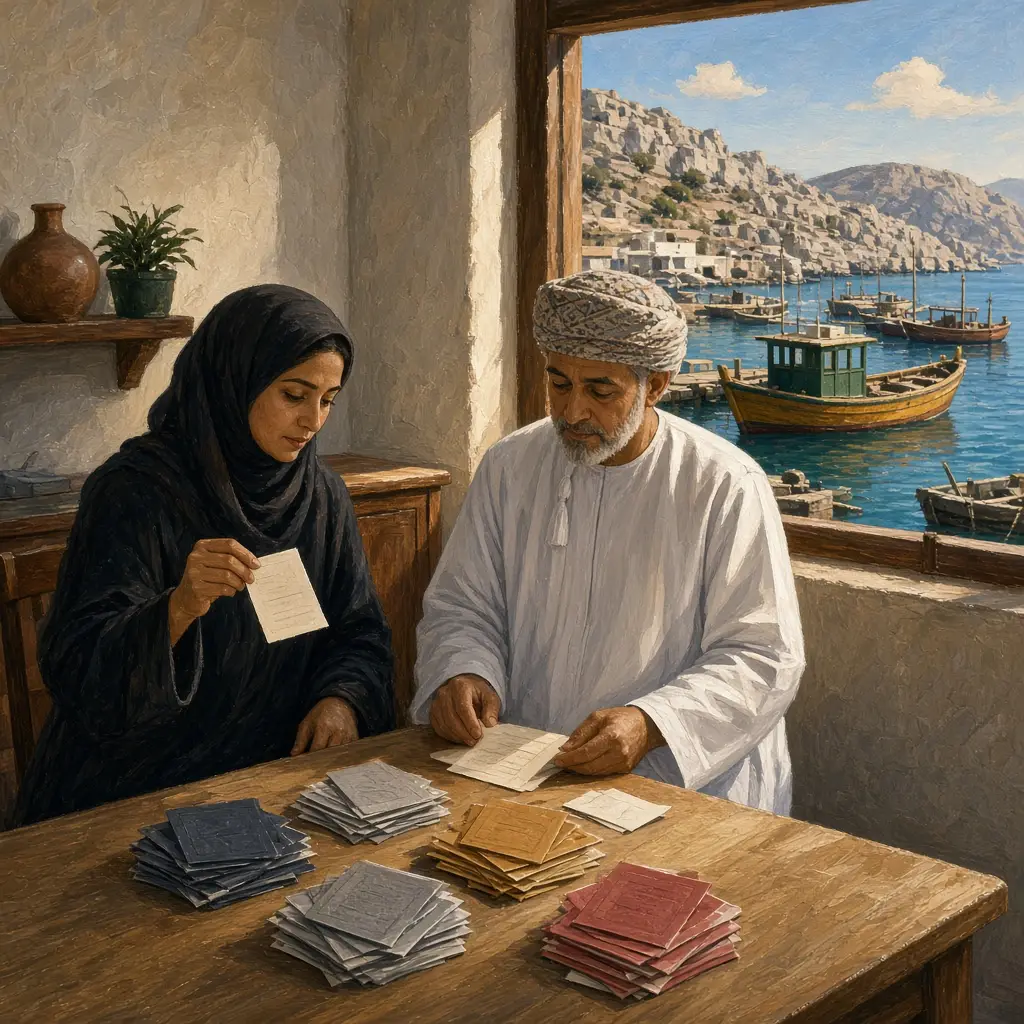
Jannat leads a team of six in Muscat, in Oman, building a system for a fishing cooperative to register its boats online. The deadline is fixed: the season opens on the first of September, and the grant paying for the work cannot be stretched. She runs the work in four-week timeboxes and, with the cooperative's secretary, sorts every requirement into four piles: must have, should have, could have and won't have this time.
By the middle of the second timebox the team is behind, because the boat registry's old records are messier than anyone expected. Nobody suggests moving the date. Jannat and the secretary look at the piles together. Uploading photographs of each boat was a could, and it goes; text reminders before a licence expires were a should, and they move to next year. Registration and payment, the musts, are ready when the season opens.
Try this today Sort the next month's tasks into must, should, could and won't this time. If time runs short, which go first?
Cite or share this lesson
A plain reference you can paste into notes or an essay:
Quest2Plan. “Other Agile Families.” https://quest2plan.com/learn/lesson/other-agile-families. Accessed 29 November 2026.
Sources
- Dynamic systems development method — DSDM's origins, principles, timeboxes and MoSCoW prioritizing.
- Feature-driven development — How FDD began on a bank project in Singapore, and its five activities.
- Alistair Cockburn — The author of the Crystal family and one of the manifesto's signatories.