
Lesson · 6 min Stretch
Many Cultures in One Place
In one line Most organizations hold several cultures at once, and projects often sit at the seams between them.
Talk of 'our culture' suggests there is one. Most organizations hold several. Doctors, nurses and managers in the same hospital trained in different schools, answer to different bodies and admire different things; a building site gathers architects, engineers, trades and clients, each with habits of their own. Sites, departments and generations add more layers. Projects often sit exactly at the seams, which is where misunderstandings start.
Edgar Schein described one such split in 1996, in an article on three cultures of management. Operators, who run the daily work, rely on teamwork, trust and the ability to handle surprises no rule covers. Engineers, who design the systems, prefer solutions that need as little human judgement as possible. Executives focus on money, hierarchy and control, and tend to see people as costs. He argued that each is sensible on its own terms, so the remedy is dialogue that brings their assumptions into view, not a verdict on which is right.
Joanne Martin of Stanford offered three lenses in 1992. Through integration, an organization shares one set of values. Through differentiation, it is a set of subcultures in tension. Through fragmentation, it is full of ambiguity, with agreement and conflict shifting from issue to issue. She argued that each reveals something true, so a good observer uses all three.
This week's ideas each fit a different moment. To read a culture, look for gaps between what is shown, said and assumed. To shape one, change what you attend to and reward. To keep or retire what matters, use rituals and stories. To learn, question the rules as well as the results. And when a project crosses groups, ask which cultures meet in it before assuming they share one.
Two drawings of the same school
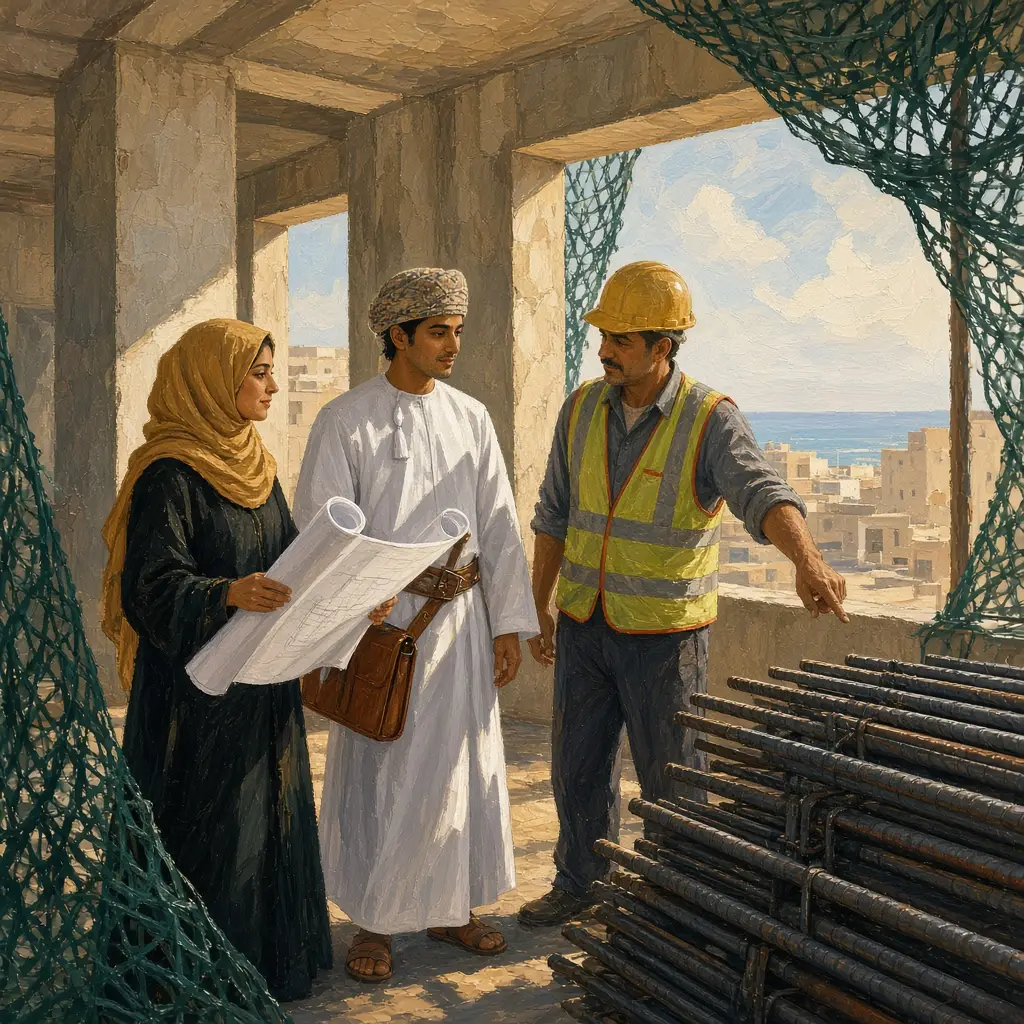
Majid is the project manager for a new school in Sohar, Oman. The architects think of the building as a set of ideas about light and learning; their drawings are fine and change often. The contractor's site team think of it as a sequence of pours and deliveries, and to them each change to a drawing is a cost and a delay. Each side calls the other careless.
Majid stops refereeing. One morning he brings the lead architect and the site manager to the half-built school and asks each to explain what a late change does in their world. The architect learns that one moved window means recutting steel already ordered; the site manager learns that the change came from teachers who had only just seen the plans. They agree a weekly cut-off for changes and a short note explaining why each one matters. The two cultures stay different, but each can now read the other.
Try this today List the groups your current project crosses, and write one thing each of them treats as obvious that the others may not.
Cite or share this lesson
A plain reference you can paste into notes or an essay:
Quest2Plan. “Many Cultures in One Place.” https://quest2plan.com/learn/lesson/many-cultures-in-one-place. Accessed 29 November 2026.
Sources
- Three Cultures of Management: The Key to Organizational Learning (MIT Sloan Management Review) — Schein's 1996 article on the operator, engineering and executive cultures.
- Cultures in Organizations: Three Perspectives (Stanford GSB) — Joanne Martin's 1992 book on competing perspectives on organizational culture.